Create a mesh with me
- Date
- 25 September, 2025
- Category
- general
- Tags
- Meshtastic
I have a fun new hobby that I want to evangelize to you, dear reader. You see, last summer there was a wind storm that knocked out power and cell phone towers, leaving us without internet, cell service, and AC. The latter felt the most important to me at the time, being a heavily pregnant person in a humid, post-storm Nebraska summer heat. Being "cut off" from the world, though, was very disorienting. Our battery powered radio was the only avenue we had to learn what was going on outside of our own neighborhood, and that wasn't exactly going to tell me if my parents had power and I could come crash at their place.
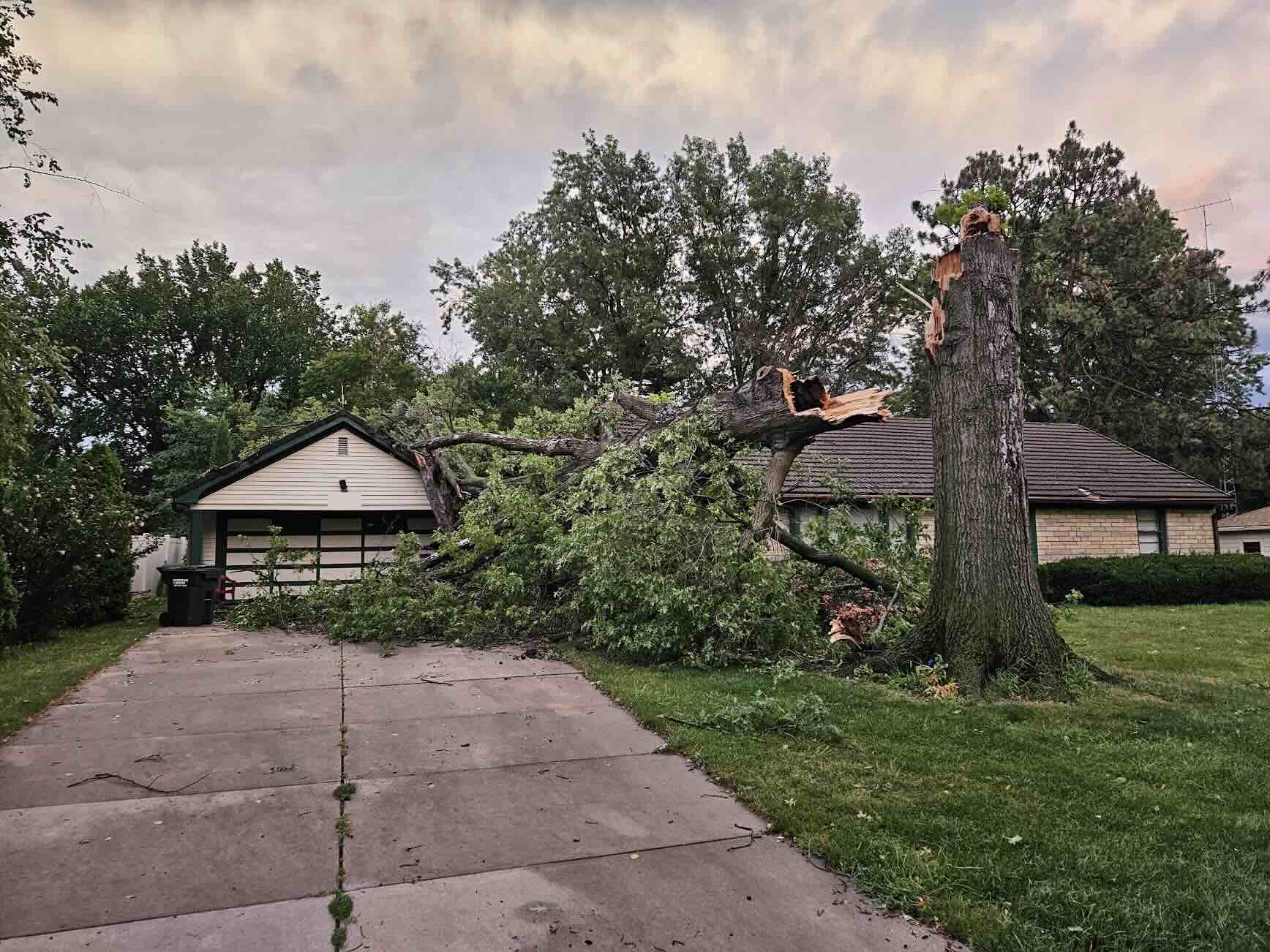
A few months later, my friend Wesley mentioned learning about small radio devices that transmit text. I got excited. If myself and my friends had those last summer, we could have exchanged info on where power outages were, whose cars got crushed by trees, and who still had a working fridge. My mom pointed out that a land phone line would also have accomplished that and hey, good point, but I don't want to pay a monthly subscription for a land line and this sounds like more fun!
I did some research, bought some devices, and started playing around. This is what I've learned, distilled so that you don't have to do all the research yourself!
What is Meshtastic?

Meshtastic is a networking protocol for sending encrypted text messages via low power, long range radio (LoRa). Think of it a bit like a walkie talkie for texting. Each person has a device, or a "node," that sends out signals. Most of the time, you then connect to that device with your cell phone.
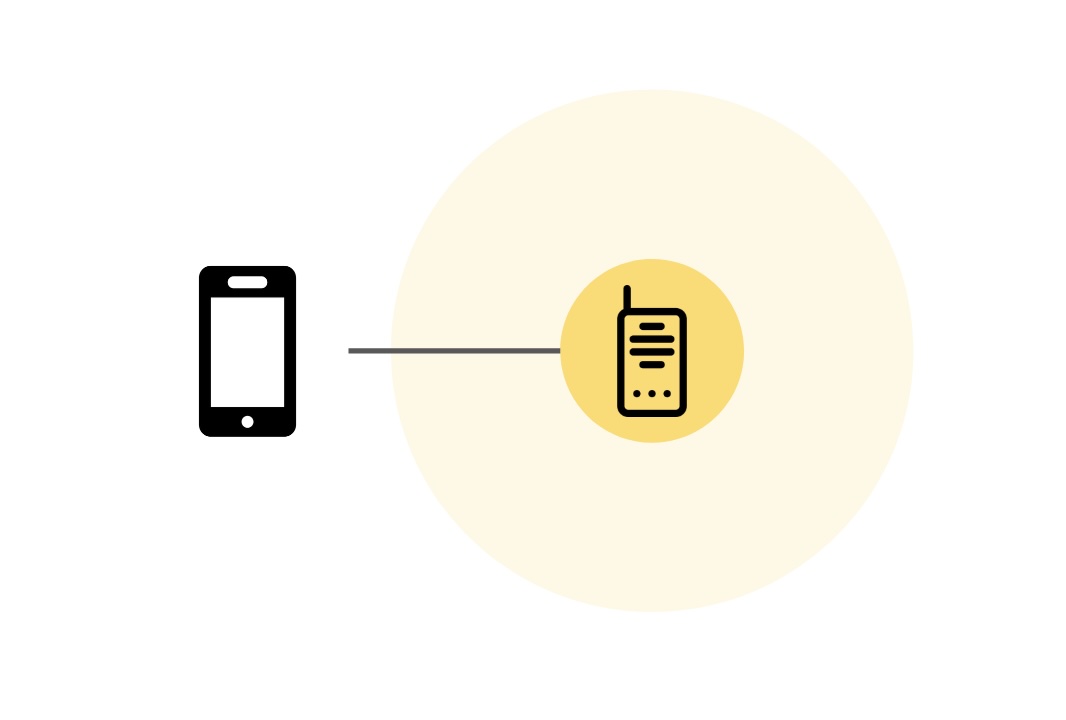
Much like a walkie walkie, you have to be pretty close for your node to communicate with another one. That's fine if you are hanging out in the same area, but I'm just a touch too far to connect to any of my friends when we're in our houses.
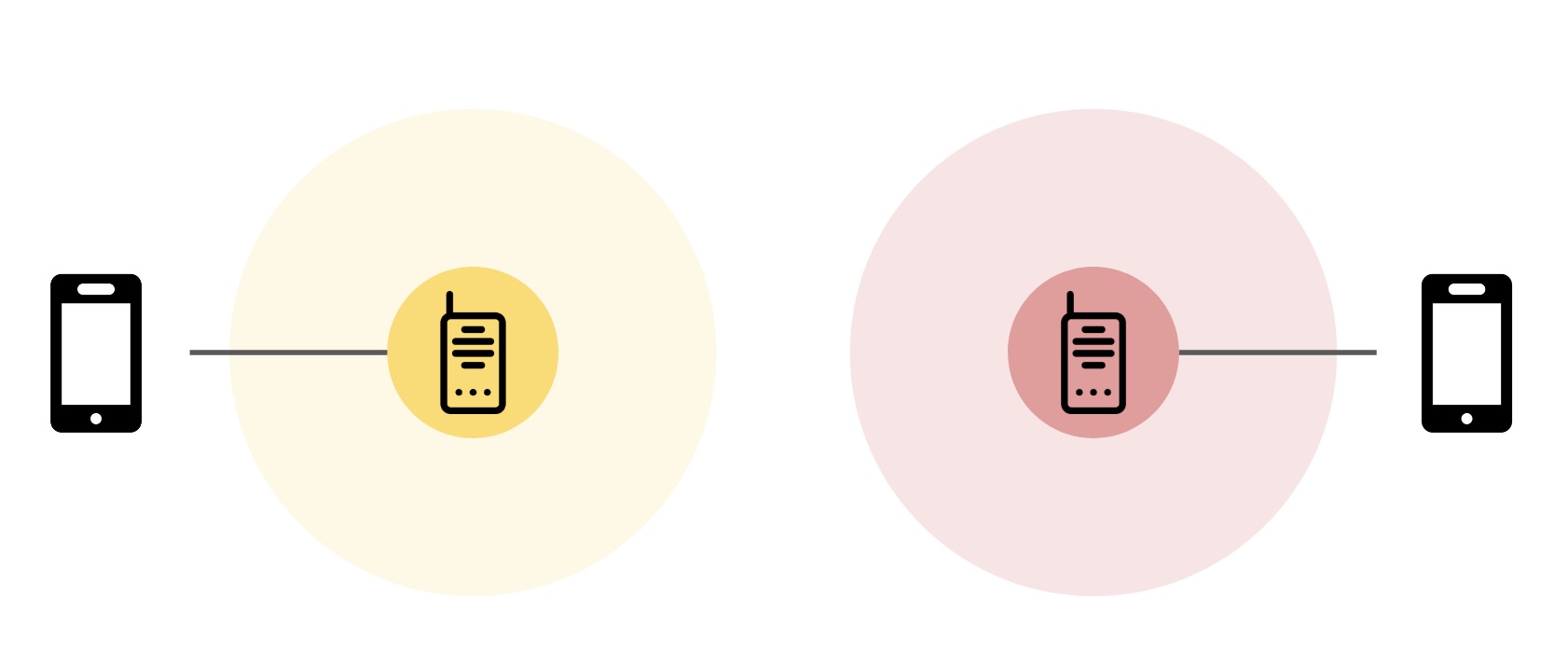
The cool part about Meshtastic is that when a device picks up a message intended for someone else, it will rebroadcast that message, extending the range of the original sender. Because your messages are encrypted, intermediary nodes won't be able to read the contents of your message unless if you are using a channel they also have the key to.
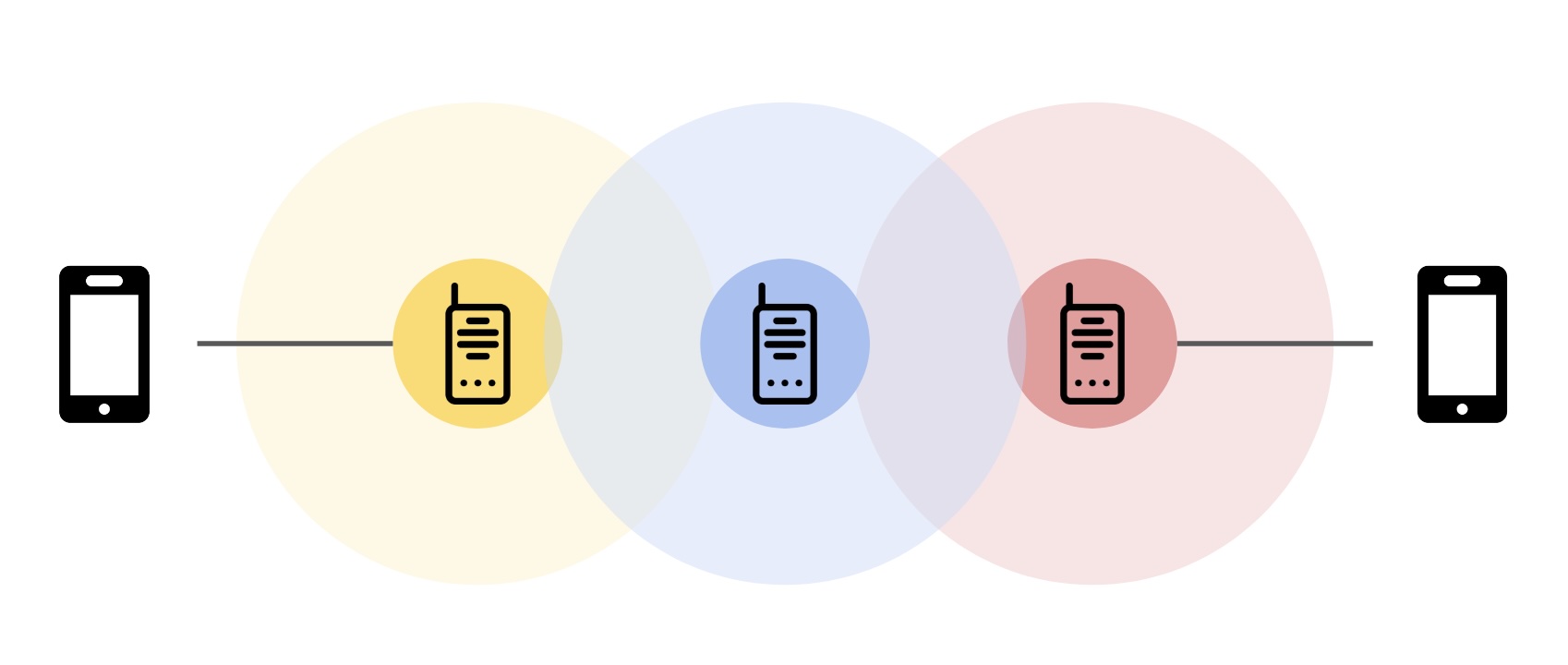
When you have a bunch of devices in the same area, they will all work together in a "mesh" network, increasing everyone's range and reliability.
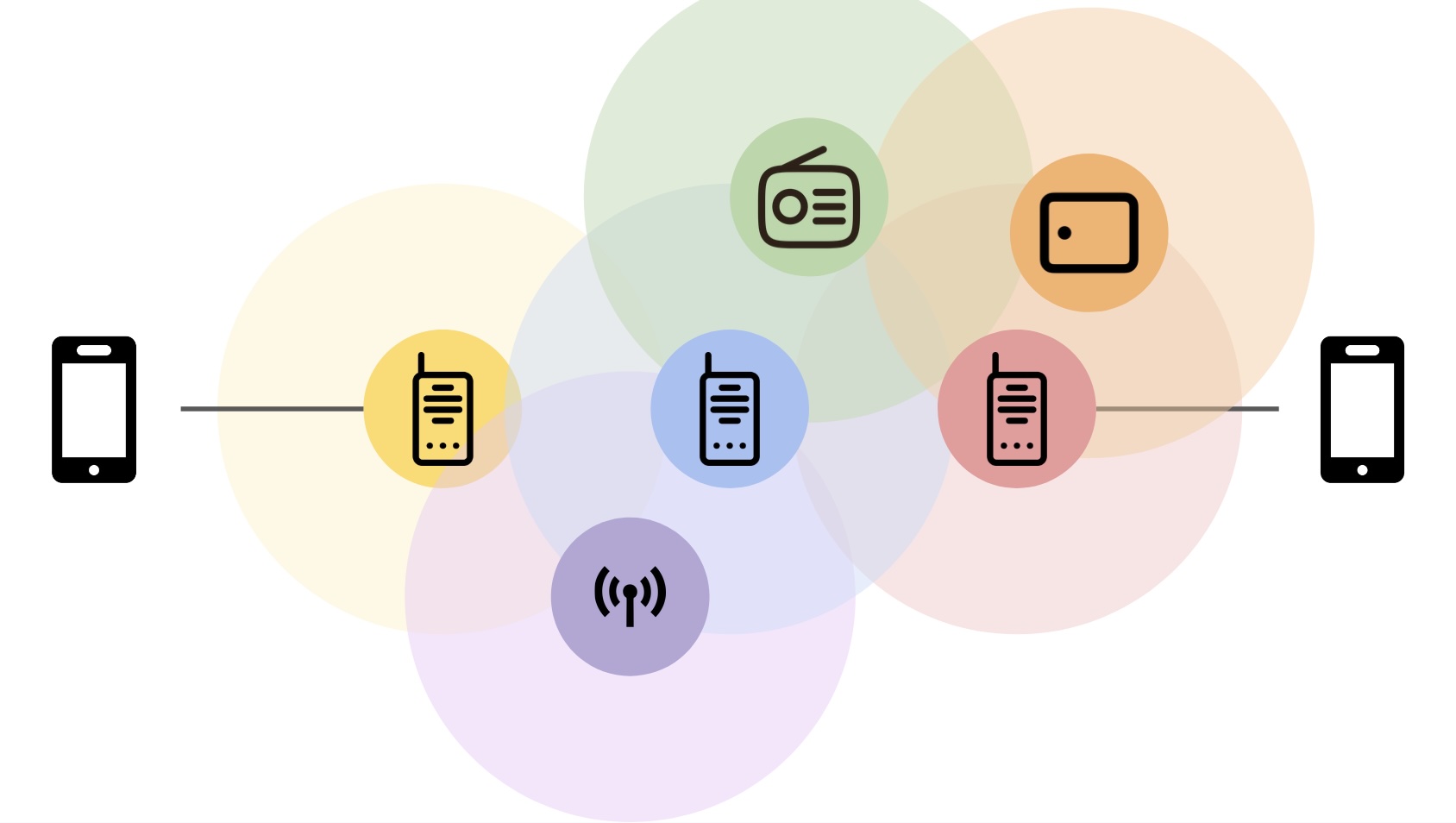
I'm hoping this post convinces a couple of my friends to get into Meshtastic, and then they'll convince a couple of their friends, and pretty soon we'll be a big happy mesh! Think my church would let me put a solar powered one at the top of the bell tower?
What does a node look like?
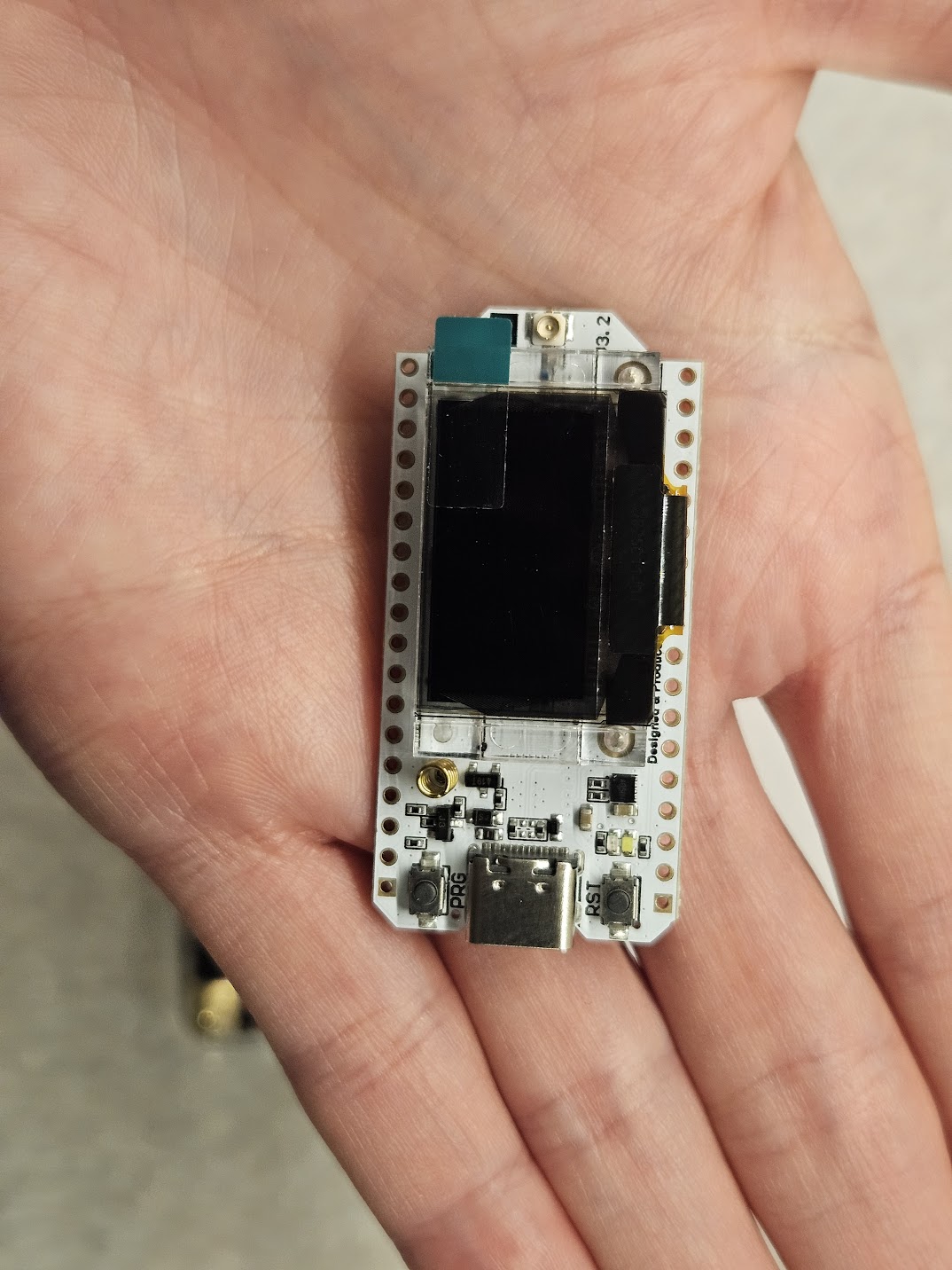
There are a variety of different devices that you can use with Meshtastic. You can find fancy devices with screens, keyboards, GPS units, etc. But it seems like the most common setup is to have a simple, no-frills device attached to a power source and an antenna, and then you interact with it by phone via Bluetooth.
What can you do with it?
What are some use cases for Meshtastic? In a lot of ways, this is a hobby thing. Why do you read history books? Why build model airplanes? Idk, because it's fun? It's kind of a blast to wander around town seeing which different nodes I can connect to, or getting a message from someone in a plane flying overhead. Yes, I am easily entertained.
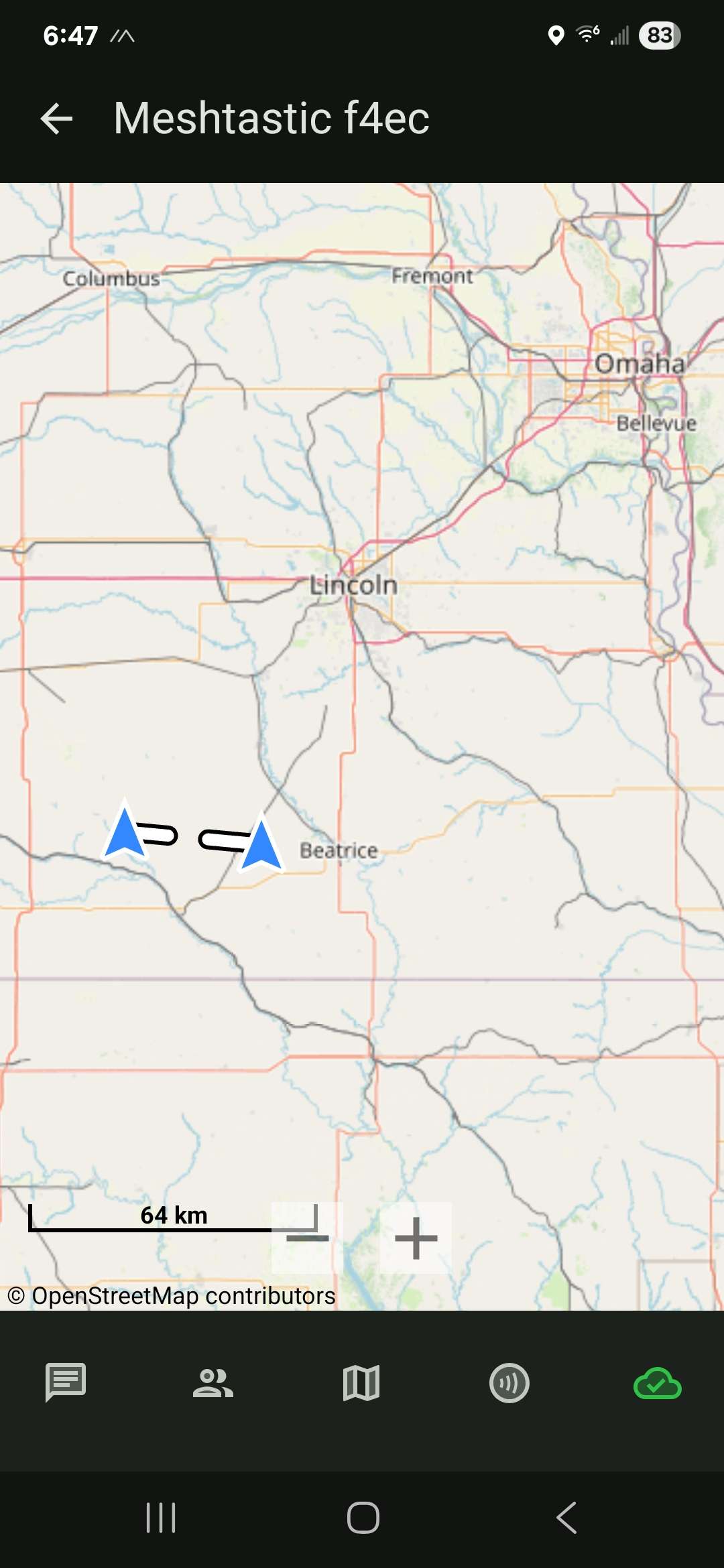
More practically, Meshtastic could be useful in power outages and low cell reception situations. I've seen people discussing using Meshtastic at music festivals where cell towers are overwhelmed, or while hiking to keep in touch with a base camp. I've been thinking of getting a small solar panel so I can charge my phone during outages, and combined, that would be a good way to keep some communication channels open.
People also use devices for monitoring and projects. For example, you might set up a device that could monitor the weather and broadcast the current conditions to an indoor node. You could get even fancier and connect a node to the internet and push conditions to a website, or whatever you like. Beyond knowledge of programming, you would also need to know how to solder for that activity to hook up something that could make the observations (because I haven't seen any Meshtastic devices with hygrometers yet).
You can also do ART with Meshtastic! People send poetry, algorithmic music, ASCII drawings, and more with only 200 characters. It reminds me a lot of the good old Twitter days when people would smush Supercollider compositions into tweets. Anyway, check out https://www.meshart.network/ for more info.
What can't you do with it?
While Meshtastic texts are encrypted, there's a limit to how effective that encryption is. So if you're thinking about engaging in activities where encryption and privacy are particularly important, you will want to read up on the strengths and weaknesses of Meshtastic to make sure it meets your needs. If you leave a node outside, you will be vulnerable to people having physical access to your device.
Most of my friends live about 1 to 1.5 miles away from me in neighborhoods with mature trees. At the moment, our device connectivity is a little bit hit or miss because we're lacking the "line of sight" that the weaker radio signals need to make the journey.
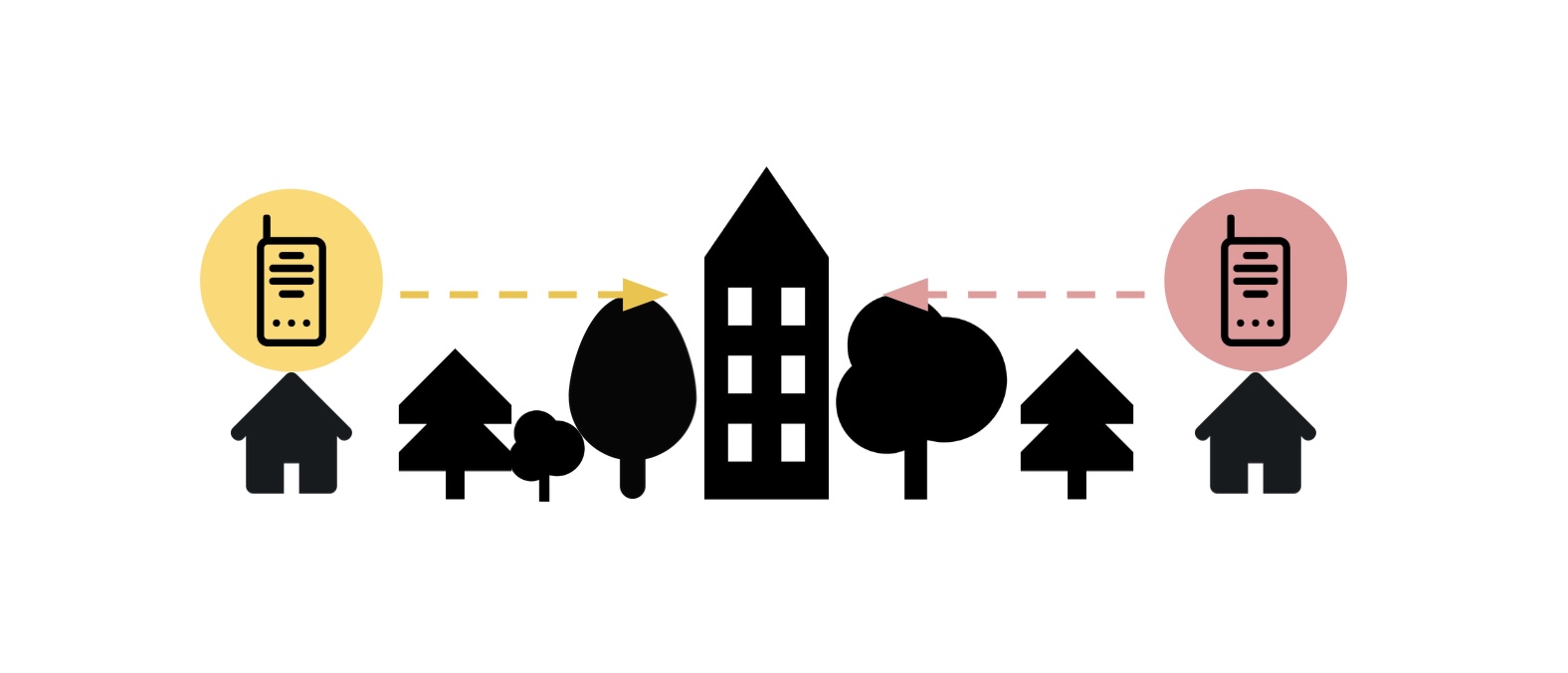
We've had to create a protocol for messaging with additional characters at the beginnings and ends of messages so that we can tell which ones the other person has received.
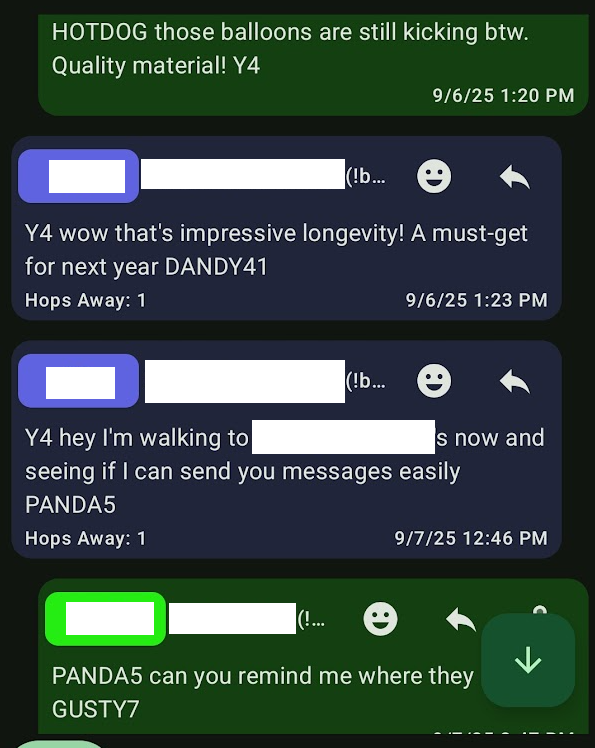
This means that Meshtastic is not a super reliable method of communicating, and I wouldn't rely on it for any emergency or highly important transmissions. You can increase its effectiveness by getting that line of sight with a well positioned node, or more nodes to rebroadcast signals, or just living in an area where 90 mph winds will remove obstacles like your beloved trees.
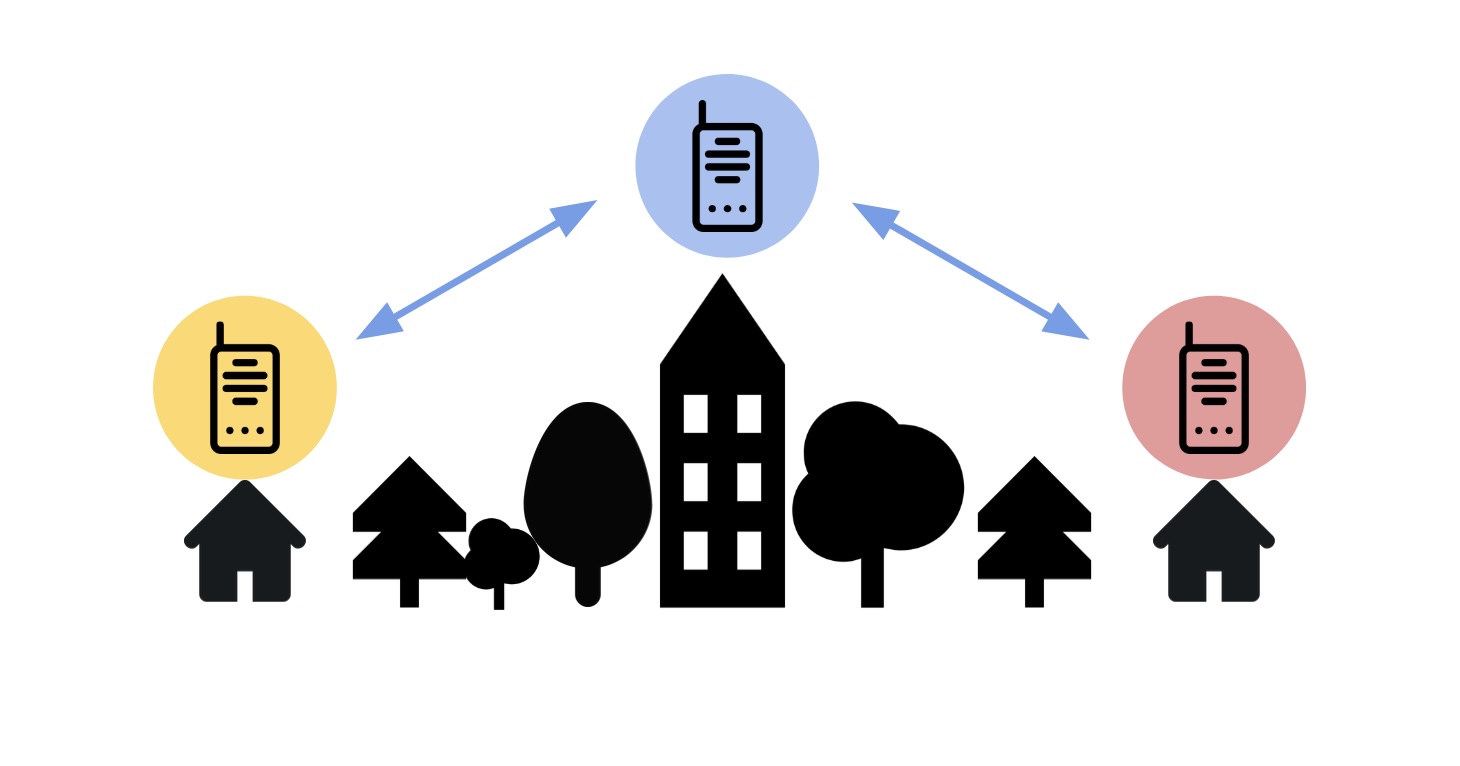
If you you in a place with a dense population, such as a big city, it's possible to get too many nodes all rebroadcasting each other's messages, gumming up the works. As one of the 40 Meshtastic users in Lincoln, NE, I cannot relate. But it's something to be aware of.
You've convinced me, what do I do next?
You're going to need a device that can run the Meshtastic firmware. I am now the proud owner of 4 devices, and I have some thoughts!
The easy route
I highly recommend the MicroMAG solar powered node from the PeakMesh etsy store. It comes with the latest firmware installed so all you have to do is turn it on, connect with your phone, change the bluetooth pin, and then stick it somewhere outside using the strong magnets on the back.
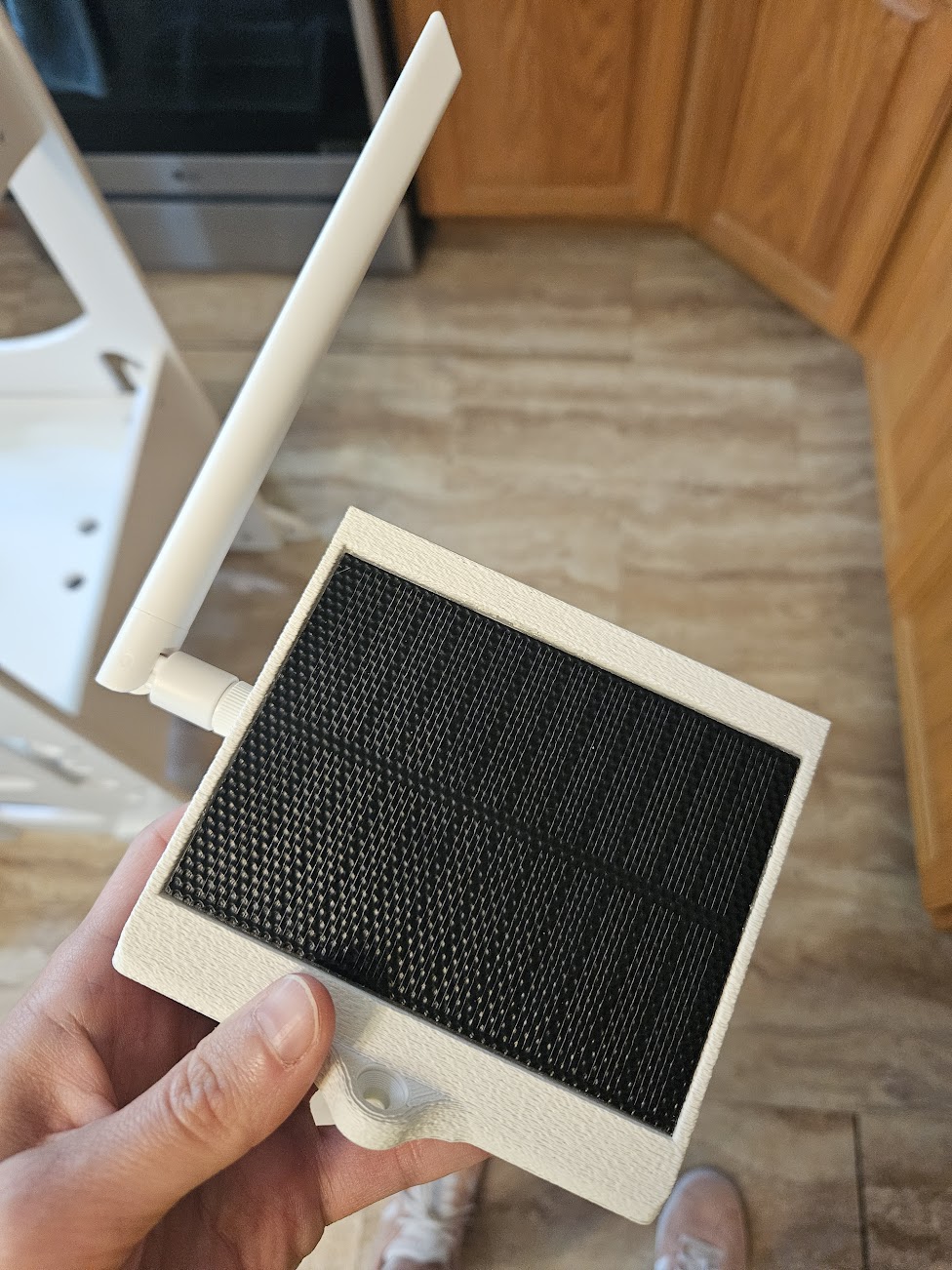
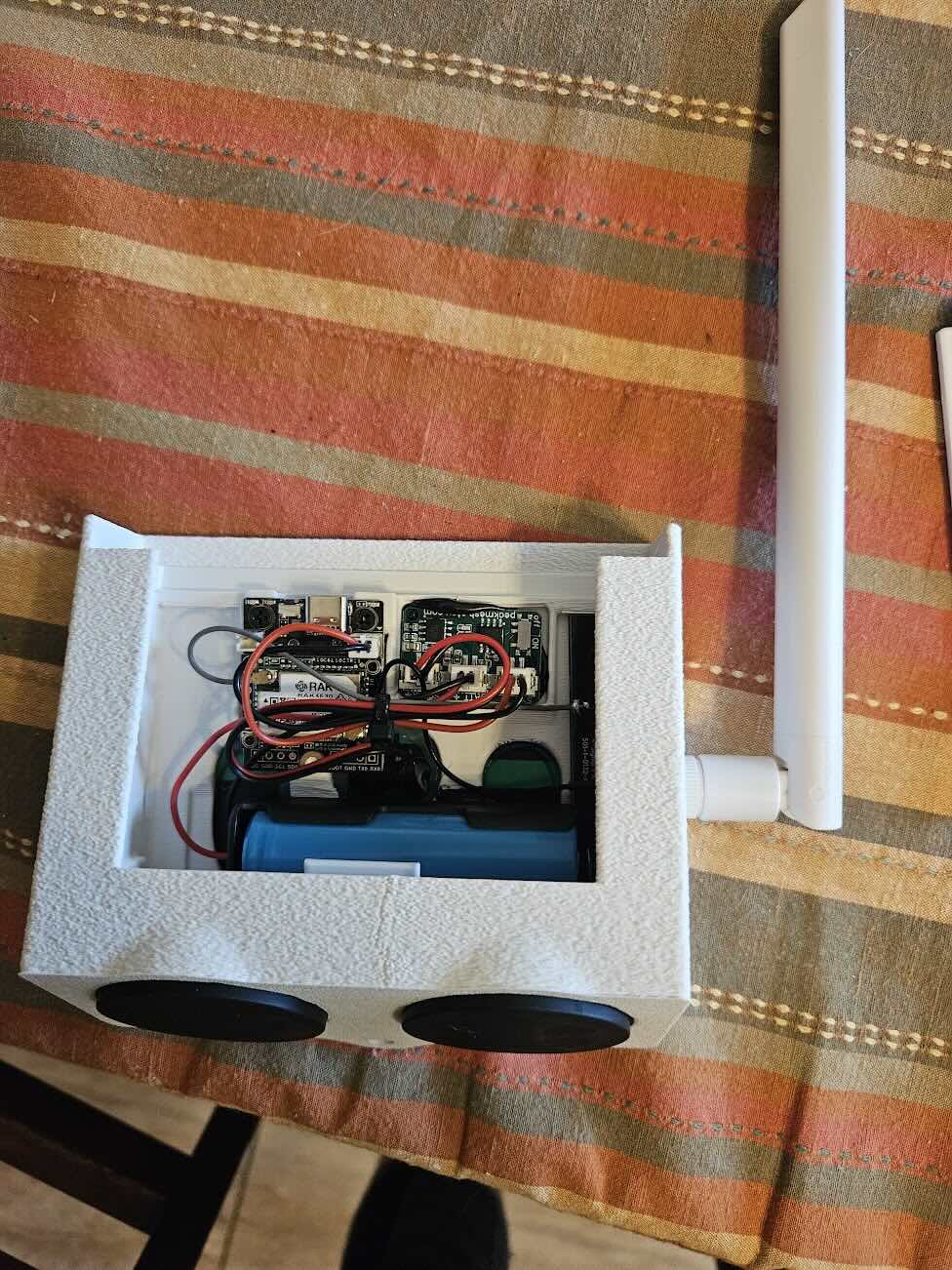
It has a much more powerful (or perhaps just better tuned?) antenna than any of my other experiments. When I first plugged it in, I immediately lit up with a dozen nodes I'd never seen before. So much range! For the moment it's just hanging out in my backyard, so I can only dream of how much more range I will have if I actually get up on the roof and give it some height. Despite the fact that I connect to it with Bluetooth, I haven't had any problems reaching it from the other side of my house.
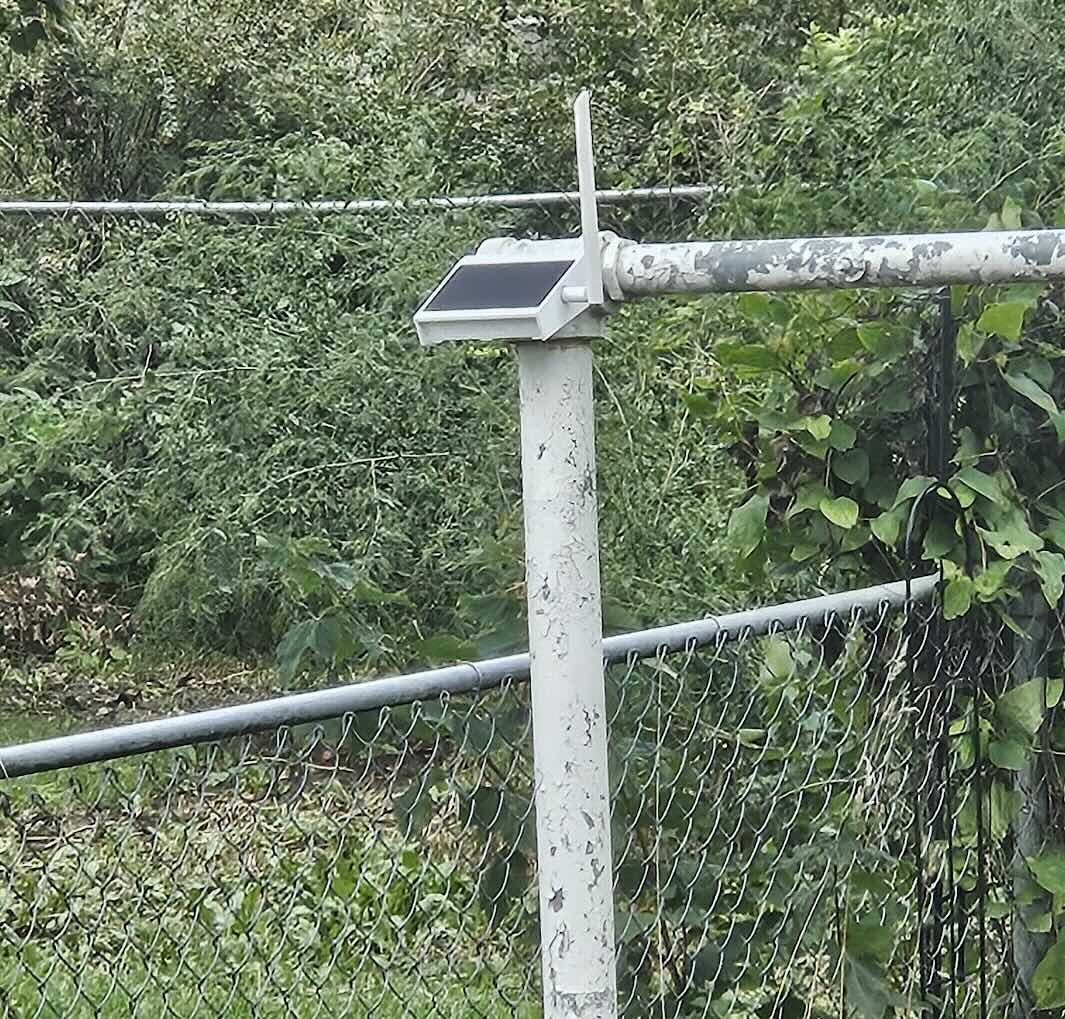
At the time of this post's creation, the MicroMAG was selling for $85, which is a pretty good price for a solar panel, battery, device, and 3D printed case. When I first looked at it, it was out of stock on Etsy so I messaged the seller asking about future availability. They were super nice, asked me exactly what I wanted, and made one just for me as a custom order. If you are just starting out and you want something you don't carry around with you, this is 100% the device I think you should pick!
I don't need something that's solar powered
Alright, I hear you, you're looking for something a little more portable. Maybe something you stick in your backpack and pull out on public transportation to worry people on reddit.
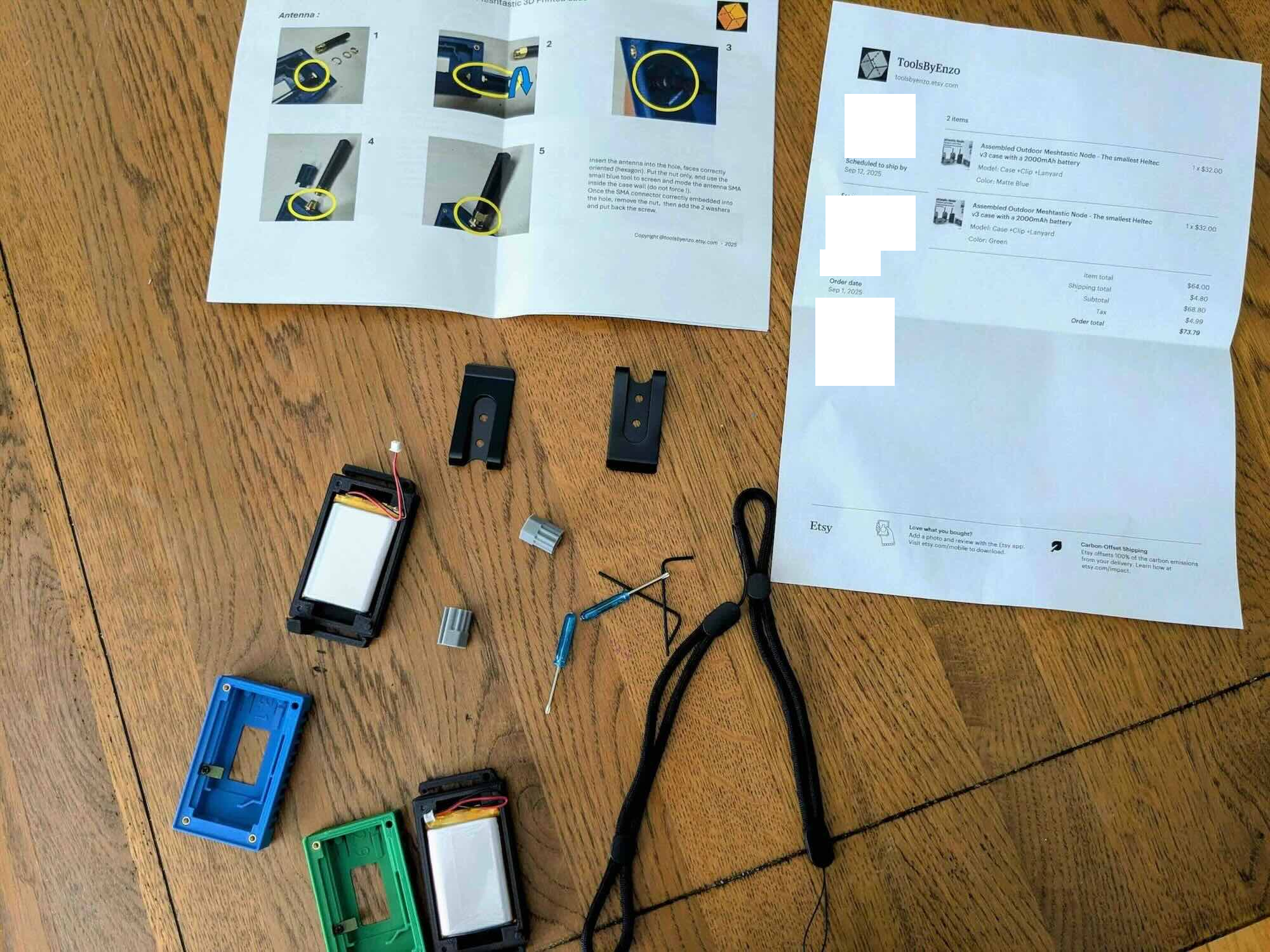
I got my friend John interested in Meshtastic and, independently of each other, he ALSO bought some gear from Etsy around the same time I did. He ordered from ToolsByEnzo and had a similarly lovely experience chatting with the seller.
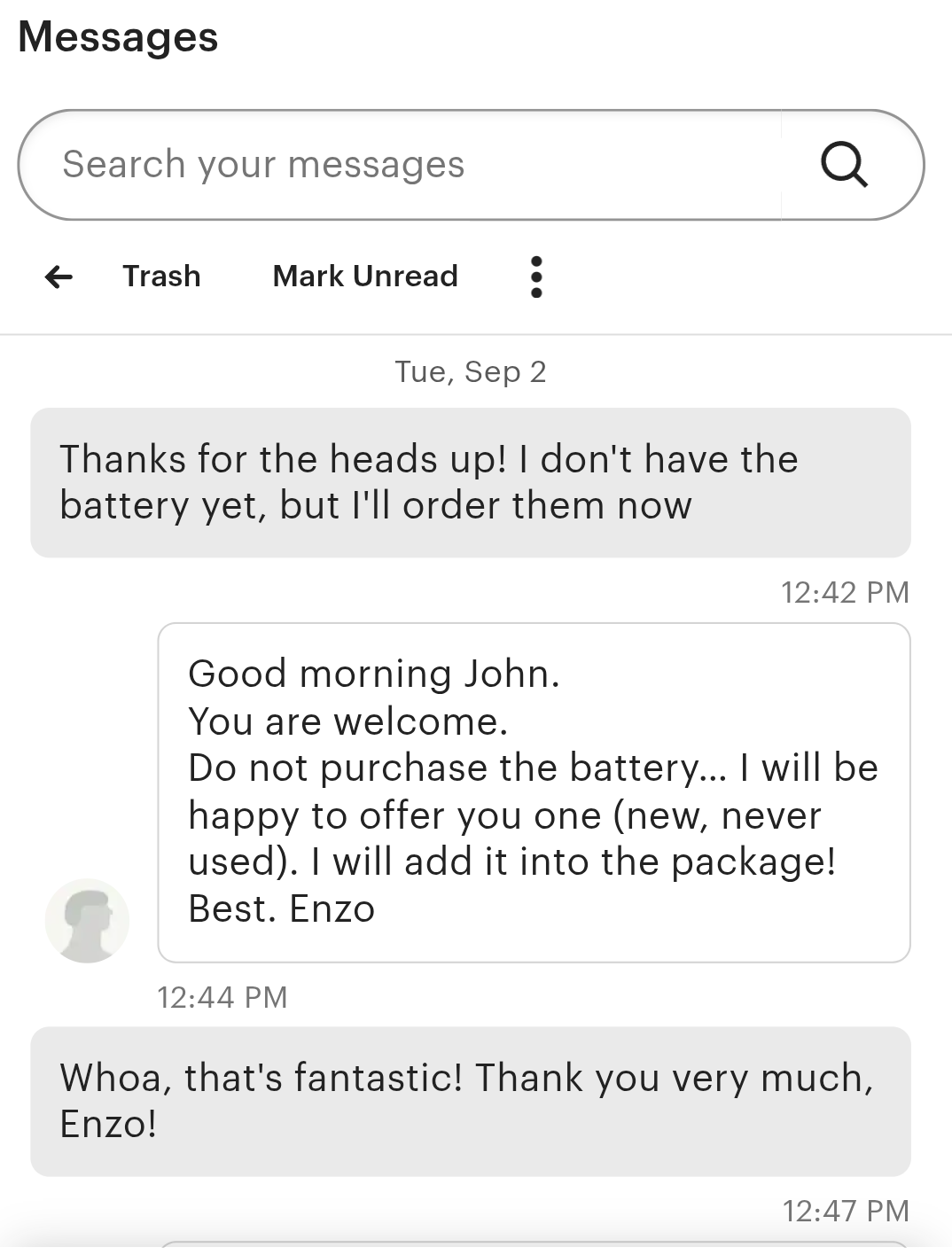
Just make sure when you order it that you select a device, unless if you only want the case.
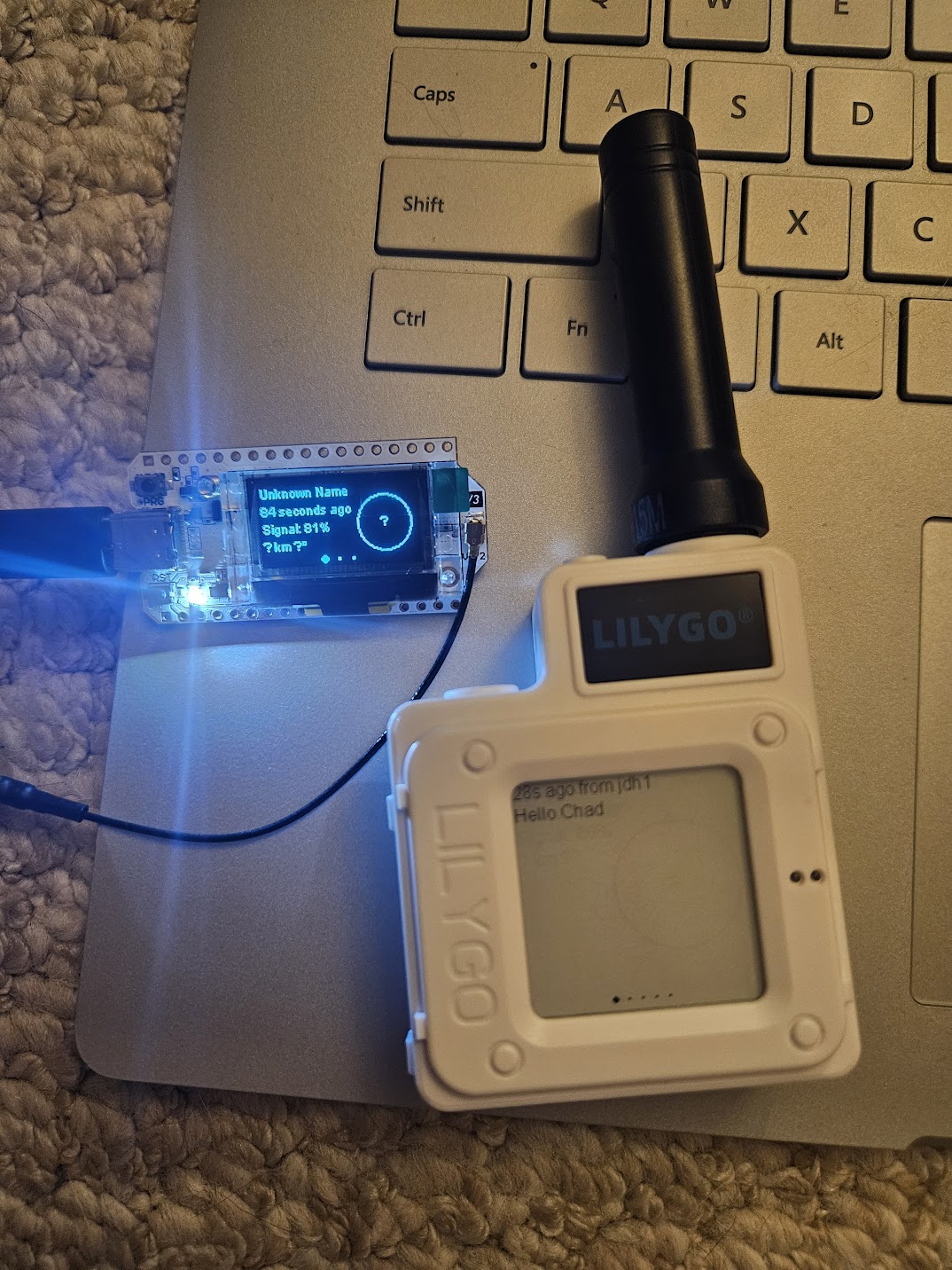
When I first started researching devices, the first one I picked out for myself to try was the LILYGO T-Echo. I thought it seemed like a good starting point because it comes with a case, has a larger screen, and on forums people seem to like theirs. It is $60 but it was an easy set up experience.
What can I get for $20?
The second device I decided to try was the Heltec v3. I bought two, because they were inexpensive, and I figured I would give them to friends to test range and see if I could get people interested.
I got them for for $20, each, along with a tiny antenna. If you're savvy, you can even reuse the plastic case it comes in. And you're going to need to be somewhat savvy, because you need to "flash" the device manually, that is to say, you need to provide it with the firmware it will need to run Meshtastic. To keep costs down, I didn't worry about a battery, so these ones need to be plugged in at all times, although one of my friends said she has been using a power bank for hers when she's out and about.
The Heltec v4 just came out, so you might want to look into getting that instead of the v3, if you're thinking of going with the inexpensive proof-of-concept route first.
Here I go, I'm ordering something!
That's great! Let me know what you picked! Also, if you're in Lincoln, let me know what your node name is and we can find out if we're within range of each other!
Make sure when you order it that you're getting something that uses 915 Mhz, since that's what you need to use in the United States. If you're outside of the US, you'll have to figure out what your region's band is.
If you pick something that wasn't pre-flashed by a kind Etsy seller, you will need to follow the instructions on the Meshtastic website to prep your device for use.
Good luck, and welcome to the mesh!